Artificial graphite is produced through the heat treatment of petroleum coke, coal-tar pitch, or oil. It has a wide range of applications, including but not limited to friction materials, foundries, electrical components, bipolar plates for fuel cells, coatings, electrolytic processes, corrosion-resistant products, conductive fillers, rubber and plastic compounds, and drilling applications.
Here, we provide an overview of the main types and application fields of artificial graphite.
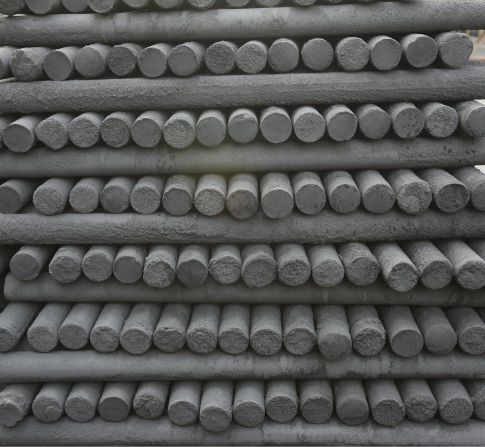
1. Extruded Graphite
Extruded graphite is commonly available in long tubes and rods, produced in bulk, making it cost-effective. It has moderate density and strength, making it ideal for manufacturing casting molds.
Main Applications:
– Machining of graphite crucibles, boats, vessels, molds, tubes, rotors and shafts, heaters, launders, chilling blocks, anodes, and more.
– Serving as a structural material in high-temperature furnaces.
– Machining into graphite parts for environments with strong acids, alkalis, and erosion, applicable in industries such as rare earth smelting, electrolysis, electroplating, and anti-corrosion.
– Machining into graphite electrodes.
2. Vibrated Graphite
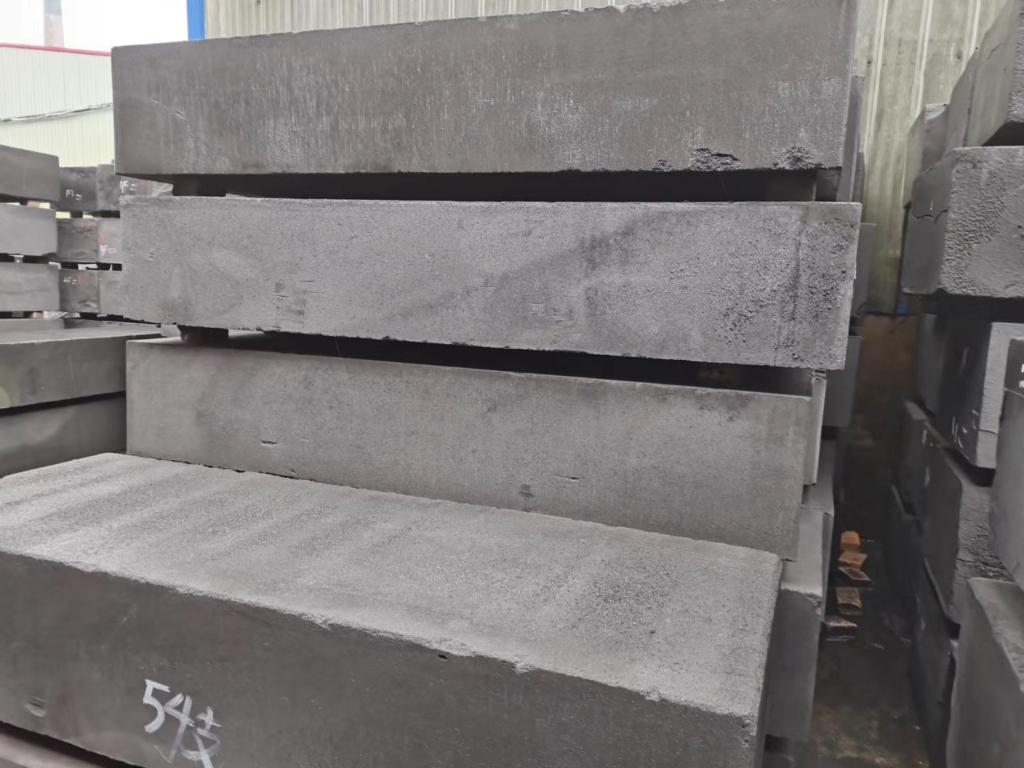
Vibrated graphite is a low-density version of synthetic graphite, characterized by uniformly aligned graphite particles. Its production involves a vibration compression process, mixing graphite powder with a specific binder in a mold.
Main Applications:
– Machining of graphite crucibles, boats, vessels, molds, plates, bricks, heaters, spouts, anodes, and chilling blocks.
– Serving as a structural material in high-temperature furnaces.
– Machining into graphite parts for strong acid, alkali, and corrosive environments, such as in rare earth smelting and chemical industries.
– Machining into graphite electrodes for non-steel-making industries.
- Molded Graphite
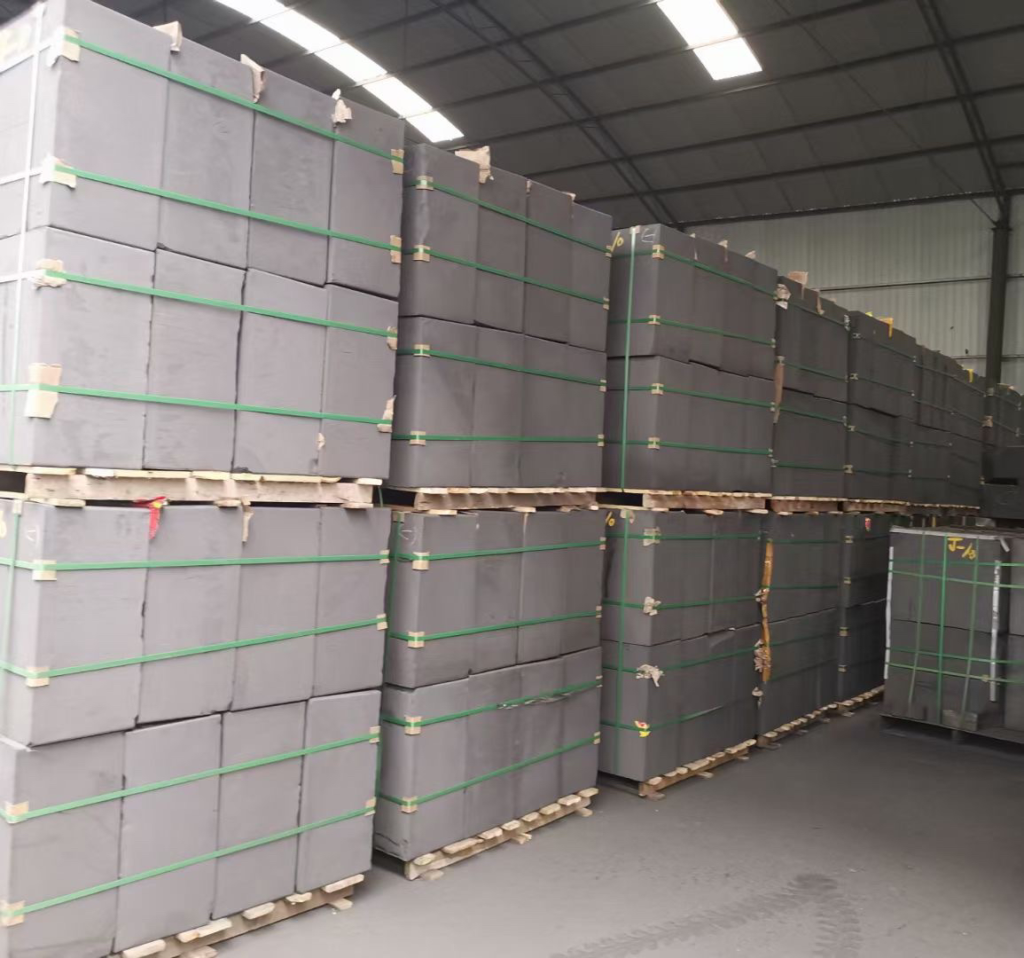
Molded graphite is typically manufactured from pitch coke and coal tar. It boasts attributes such as robustness, high density, and a consistent grain structure. The molded mixture undergoes carbonization at temperatures ranging from 1000°C to 3000°C, followed by further heating to create the final product.
Main Applications:
– Machining graphite components for high-temperature applications, including molds, heaters, and other parts used in industries focusing on copper and copper alloys, continuous casting, glass, non-ferrous metals, precious metals, powder metallurgy, and aluminum evaporation coating for solar photovoltaics.
– Serving as structural and heating parts in various industrial furnaces.
– Machining household items like graphite beds and cookers.
4. Isostatic Graphite
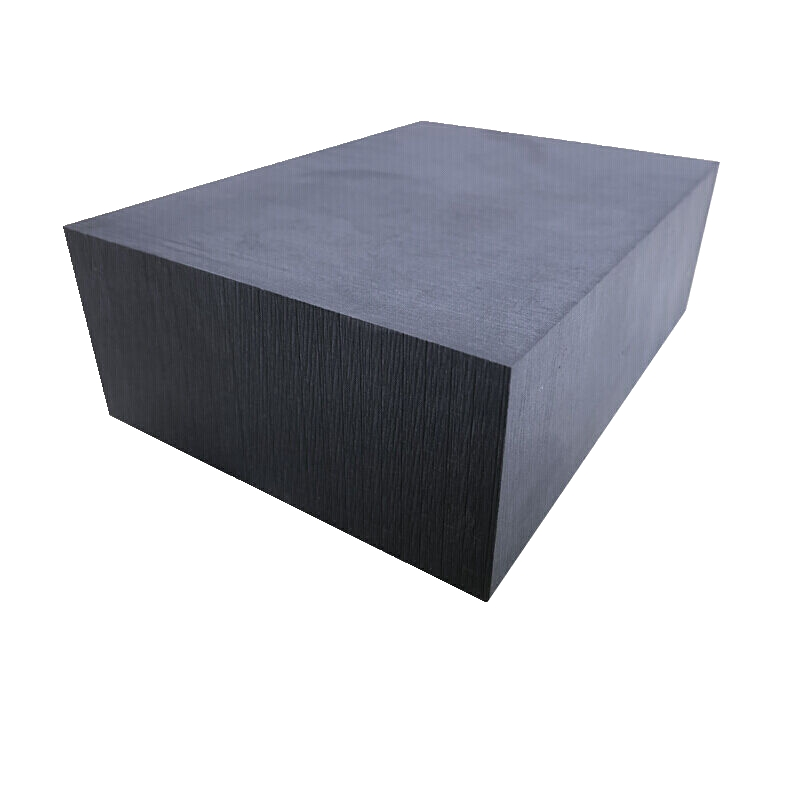
Produced through isostatic pressing, isostatic graphite excels in areas where other grades may not. Its production began in the 1960s, and it features ultra-fine grains, making it denser and more robust.
Main Applications:
– Used in electronics, telecommunications, and photovoltaic industries for precision circuit board molds, core parts of graphite thermal fields, and heating elements for fiber optic production.
– Applied in precision casting industries, including graphite components for copper continuous casting.
– Suitable for electrical discharge machining (EDM).
– Used in the rare earth smelting industry, such as in graphite crucibles.
– Machined into various graphite parts for laboratories, including crucibles, boats, and samplers.
– Applied in hard alloy sintering industries, such as for graphite sintering molds.
In summary, graphite materials have a diverse range of applications in industry and scientific research, attributed to their unique properties and versatility.